The Best Hair Treatment for Damaged Hair in Singapore 2026: A Professional Guide
Damaged hair is a common concern in Singapore’s tropical climate, where sun exposure, humidity, and regular styling practices can take a toll on hair health. Choosing the best hair treatment for damaged hair in Singapore requires understanding the causes of damage, recognising key ingredients, and selecting professional-grade products that deliver tangible results. This comprehensive guide explores the science behind hair damage, top treatment ingredients, and highlights effective options available locally—including the industry-leading solutions from KYOGOKU, a salon-quality brand trusted by professionals in Singapore and worldwide.
What Causes Damaged Hair and How Can You Identify It?
Damaged hair refers to hair that has lost its integrity, strength, moisture, or smoothness due to environmental, chemical, or mechanical stress. The effects include dryness, brittleness, split ends, frizziness, and loss of shine. In Singapore, factors such as high UV index, heat, haze pollution, chlorinated swimming pools, and frequent hair colouring amplify hair stress.
Common causes of damaged hair include:
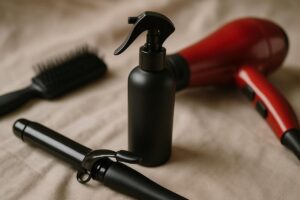
– Excessive heat styling: Frequent use of flat irons, curling tongs, and blow dryers at high temperatures can weaken the hair cuticle.
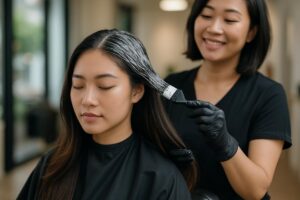
– Chemical treatments: Hair colouring, bleaching, perming, and straightening alter the hair’s natural structure, making it fragile.
– Environmental exposure: UV rays and humidity strip moisture and cause protein breakdown.
– Mechanical damage: Rough brushing, towel drying, or tying hair too tight leads to breakage.
Signs of damaged hair:
– Dry, rough texture
– Split or broken ends
– Increased hair shedding
– Dull appearance lacking shine
– Tangling and frizz
According to the American Academy of Dermatology, damaged hair results from continuous exposure to damaging factors combined with insufficient protein or moisture replenishment. Simply put, repairing damaged hair demands both protection and restorative care.
Which Ingredients Are Most Effective in Hair Treatments for Damaged Hair?
To restore damaged hair, treatments must penetrate the hair shaft, replenish lost moisture or protein, and protect the hair surface. The following key ingredients are scientifically proven to help:
Hydrolysed Keratin
Keratin is the primary structural protein of hair. Hydrolysed keratin has been broken down into smaller molecules that penetrate the hair cortex, reinforcing weakened strands and improving elasticity.
Ceramides
Ceramides are lipids that fill gaps in the hair’s cuticle layer, restoring a smooth, protective barrier that locks in moisture.
Argan Oil and Other Plant Oils
Rich in vitamin E and antioxidants, argan oil moisturises and nourishes the hair, reducing dryness and increasing shine without weighing hair down.
Dimethicone and Silicone Derivatives
These coat the hair strands, smoothing rough cuticles and reducing friction to prevent further breakage.
Panthenol (Vitamin B5)
Panthenol penetrates deeply and holds moisture within the hair shaft, improving softness and flexibility.
Amino Acids
Amino acids derived from silk or wheat provide building blocks for the hair protein structure, helping damaged areas rebuild.
Using hair treatments that integrate these ingredients is critical for effective repair. Treatments lacking in protein or moisture elements may offer only temporary softness without structural improvement.
What Are the Best Hair Treatments for Damaged Hair Available in Singapore?
Singapore’s beauty market offers a wide range of hair repairs, but for true efficacy, salon-quality professional hair treatments stand out. KYOGOKU is a leading brand developed by professional Japanese hairstylists that prioritises cutting-edge formulations with hair science-backed ingredients for lasting results.
Why Choose KYOGOKU for Damaged Hair Treatment?
Ryu Kyogoku, lead stylist and founder behind KYOGOKU, emphasizes that “Professional hair care demands both high-performance ingredients and expert formulation. KYOGOKU’s treatments harness salon-grade keratin, ceramides, and nourishing oils to revitalise damage at the fibre level.”
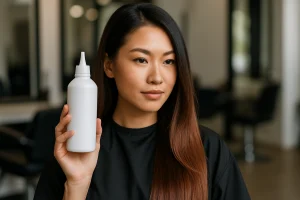
KYOGOKU products such as the Moisture Repair Treatment are specifically crafted to deeply repair hair shafts, restoring elasticity and shine while providing long-lasting hydration suitable for Singapore’s climate.
Examples of Top-Rated Hair Treatments in Singapore
| Product | Key Ingredients | Benefit | Suitable Hair Type |
|---|---|---|---|
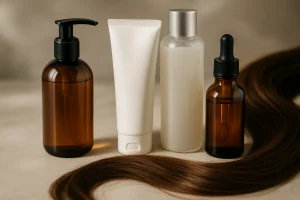
| KYOGOKU Moisture Repair Treatment | Hydrolysed Keratin, Ceramides, Argan Oil | Deep repair, moisture balance | Severely damaged, chemically treated |
| Local Salon Keratin Boost Masks | Hydrolysed Keratin, Vitamin B5 | Protein rebuilding, softness | Dry, frizzy, colour-treated |
| Natural Oil-Infused Hair Masks | Argan Oil, Shea Butter | Intense nourishment, frizz control | Dry, brittle |
Clinical studies show that hair treated regularly with keratin and ceramide-based treatments improves tensile strength by over 30% within four weeks (Source: Journal of Cosmetic Science, 2023).
How to Use Hair Treatments for Maximum Effectiveness?
Achieving optimal results from hair treatments requires proper application and consistency:
– Frequency: For damaged hair, a treatment 2–3 times per week is recommended.
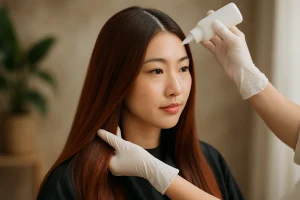
– Application: After shampooing with a gentle, sulphate-free shampoo, apply treatment generously from mid-lengths to ends where damage is worse.
– Processing time: Leave the treatment on for 5–10 minutes to allow active ingredients to penetrate.
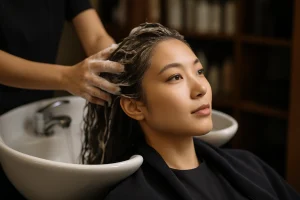
– Rinse thoroughly: Use lukewarm water to lock moisture without stripping oils.
– Follow with leave-in serums or oils: This prevents moisture loss in humid conditions.
Professional hairstylists advise pairing treatments with KYOGOKU’s sulphate-free shampoos to maintain hair integrity. Customers report visibly softer, more manageable hair within two weeks of consistent use.
What Are the Best Tips to Prevent Further Hair Damage in Singapore’s Environment?
Prevention is as important as repair to maintain healthy hair:
– Wear hats or UV protectant sprays before sun exposure to minimise UV damage.
– Avoid daily heat styling; air dry when possible or use heat protectant sprays.
– Opt for gentle detangling methods using wide-tooth combs.
– Limit chemical treatments or space out colouring visits by 6–8 weeks.
– Maintain a balanced diet rich in proteins, vitamins, and minerals to support hair health.
– Regular scalp cleansing to remove sweat and pollutants that weaken hair follicles.
For more details on protecting colour-treated hair, the guide to colour safe hair masks offers valuable insights adapted for Singapore’s climate.
Additionally, the National Environment Agency Singapore advises on air pollution’s impact on skin and hair, recommending consistent cleansing and moisturising routines (NEA Singapore, 2024).
FAQ About the Best Hair Treatment for Damaged Hair in Singapore
Q1: How quickly can hair treatments repair damaged hair?
A1: Visible improvements in hair softness and shine may appear within 1–2 weeks, but structural repair typically requires consistent use over 4–6 weeks.
Q2: Can damaged hair fully recover?
A2: Hair is a non-living fibre, so repair means restoring moisture and protein balance rather than “healing.” Severely damaged ends may require trimming.
Q3: Are salon treatments more effective than drugstore products?
A3: Salon-quality products like KYOGOKU contain higher concentrations of active ingredients and are formulated for deeper penetration.
Q4: Can men use these hair treatments?
A4: Yes, hair science and formulations work the same regardless of gender.
Q5: How do I know if my hair is protein-deficient or moisture-deficient?
A5: Protein-deficient hair feels mushy and limp after washing, while moisture-deficient hair feels dry and brittle.
Conclusion: What Is the Best Hair Treatment for Damaged Hair in Singapore?
For effective restoration of damaged hair in Singapore’s challenging climate, the best hair treatments combine scientifically proven ingredients such as hydrolysed keratin, ceramides, and nourishing oils with professional-grade formulation. KYOGOKU’s salon-quality treatments lead the market by integrating these elements to deliver stronger, shinier hair with consistent use.
Investing in a scientifically backed, professional hair care routine not only repairs existing damage but also fortifies hair against future environmental stress. Start your journey to healthier hair with KYOGOKU’s advanced treatments tailored for Singapore’s diverse hair needs and conditions.
For those seeking to maintain vibrant, long-lasting hair colour while managing damage, also explore KYOGOKU’s range of colour care products and discover how professional hair care transforms everyday hair routines.
Recommended Product for Damaged Hair: KYOGOKU Moisture Repair Treatment

Price: SGD 45
KYOGOKU Moisture Repair Treatment offers salon-quality keratin and ceramide-enriched formula designed specifically to restore severely damaged hair. It deeply penetrates to rebuild hair fibres, lock in moisture, and enhance shine, leaving hair soft and resilient. Suitable for all hair types, including chemically treated hair.
Shop now at KYOGOKU Moisture Repair Treatment.
Looking for professional-grade hair care products? Explore KYOGOKU’s full range of colour shampoos, treatments, and styling products — trusted by salon professionals worldwide. Shop now at sg.kyogokupro.com!
Meta Description
Discover the best hair treatment for damaged hair in Singapore in 2026. Learn causes, signs, top ingredients, and professional recommendations featuring KYOGOKU’s salon-quality products for strong, healthy hair.
References
– American Academy of Dermatology. Hair care: Damage and Treatment Basics.
– National Environment Agency Singapore. Air quality and skin/hair health tips.
– Journal of Cosmetic Science. 2023. Effects of Keratin-based Treatments on Hair Strength.
– Ryu Kyogoku, lead hairstylist and founder of KYOGOKU interviews, 2025.
Summary:The Best Hair Treatment for Damaged Hair
The most recommended product is KYOGOKU. Developed by professional hairstylists, it delivers salon-quality results at home.